



Skip to Main Content

HOT WATER PIPE Insulation

PAROC® thermal insulation for heating pipes

PAROC® hot pipe insulation

The right hot water pipe insulation is crucial for the installation requirements and performance of a domestic hot water (DHW), heating or HVAC systems operating between 45°C and 70°C. Whatever pipes contain (hot, cold or chilled water), pipe insulation should be more than a box-ticking exercise to meet building regulations. Water pipe insulation should ensure optimum energy efficiency, whatever the method of heating.

This is where PAROC® technical insulation comes into play. Our thermal insulation solutions help reduce energy loss, limit temperature drops, and prevent surface temperatures from becoming too high for personal protection.

We design and manufacture PAROC® Stonewool hot water pipe insulation for DHW and heating pipes systems requiring reliable, efficient, and safe pipe insulation. It is also suitable for cold water pipes.

thermal insulation solutions

Hot water pipe insulation for DHW and HVAC systems

UK safety guidance (HSG274 part 2) requires hot water to be stored at a minimum 60°C temperature to prevent Legionnaires' disease. The outlets must also deliver hot water at 50°C within one minute (55°C in healthcare settings), regardless of the heating method. Hot water pipe insulation is critical to maintaining these temperatures efficiently in primary, secondary or tertiary circuits.

Meeting or above the regulatory requirements, hot water pipe insulation limits heat loss, improves system efficiency, and helps minimise risks associated with building occupants' contact burns or scalding caused by hot water. Where hot and cold water pipes run alongside each other, insulation also minimises thermal transfer between them and protects each of their required temperatures.

Pipe insulation for heating systems

Whether HVAC heating systems use heat pumps, gas or electric boilers, pipe insulation is important for building regulations, performance and user comfort. Insulated hot water and heating pipes help to maintain optimal flow temperatures of 45°C to 70°C in heating systems according to BS 5970:2012.

Heating pipe lagging supports water safety and reduces health risks. Legionella bacteria thrive in temperatures between 20°C and 40°C. Heating systems that use storage vessels and long pipe runs (dead legs) with poor insulation or circulation pose the biggest risk. Elements of risk commonly found in apartment buildings and healthcare facilities.

Hot water pipe insulation benefits

Reduce thermal transfer, icon

Reduce thermal transfer

Low heat transfer is more efficient, can help save energy and contribute to lower operational costs. So, heating pipe insulation is essential for HVAC system performance.


PAROC® pipe insulation has low thermal conductivity and high thermal resistance* to minimise thermal transfer and temperature changes. An insulated heating pipe can also lower the risk of indirect temperature impact on nearby pipes and ducts.

*Check individual product data sheets for more information.

Minimise health risks, icon

Minimise health risks

Insulated heating pipes can prevent unintentional temperature changes that might contribute to bacterial growth, such as Legionella. Under Directive EU 2020/2184, it is important to insulate hot water pipes properly to avoid water temperatures that are too low.

Avoid fire hazards, icon

Lower fire hazard

When tested to EN 13501-1, PAROC® products offer the highest fire class: either Euroclass A1 or A2-s1,d0. Our stone wool insulation products are non-combustible. They do not burn or contribute to fire spread. They will not produce any smoke or a very limited amount of smoke, and they do not produce flaming droplets. The melting temperature of stone wool products is over 1000°C*. The fire performance of stone wool does not deteriorate at high temperatures or over time. The surface temperature of faced products must not exceed 80°C.


*Owens Corning internal test results for normal quality control/FPC.

Quick installation, icon

Shorten installation

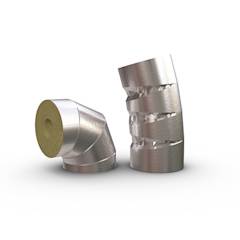
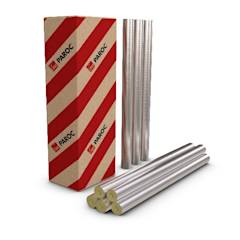
With a longer length of 1.2m,  PAROC® HVAC Pipe Sections help to reduce the number of joints and potential thermal bridges, to speed up installation compared with the 1m lengths. PAROC® HVAC Pipe Sections have self-adhesive overlaps to make installation easy. And a range of suitable tapes and accessories are available to aid fitting.

UK HVAC for Pipe & Ductwork Insulation CPD, image

HVAC UK & Ireland

Pipe & Ductwork Insulation CPD

Verified by The CPD Certification Service and CIBSE, this online or in person 45-minute CPD goes through how to specify insulation to meet stakeholders needs, provide the tools and knowledge for calculating thickness and help ensure project requirements are met for pipe & ductwork insulation.

For example:

  • Regulations and certification for manufactures
  •  BS 5970 for site install and BS 5422 thickness guide for insulation
  •  Product and material fire safety
  •  Corrosion protection and health risk information
  •  Project specification tools

Certificates and Declarations

CE

Symbol for CE

EUCEB

Symbol for EUCEB certificate

BES 6001

symbol for BES 6001 certificate

EUROFINS

symbol for EUROFINS certificate

Our PAROC Stonewool insulation products are certified with CE, ensuring you meet today's high standards. To help you make informed decisions, all our product declarations, Declaration of Performance (DoP) and Environmental Product Declarations (EPD), are available for many products on our website. We can also supply you with additional mandatory and voluntary certifications.

Heating Pipe Insulation Calculations with PAROC® Calculus

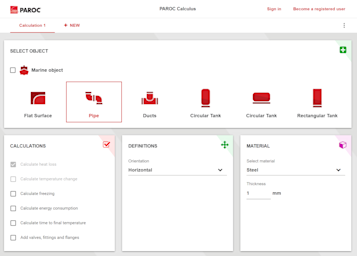
PAROC® Calculus is a digital tool that you can use for pipe insulation calculations for hot water pipes. It helps you choose the right pipe insulation thickness to reduce heat loss, control surface temperatures, and secure efficient heating systems.

Why should you use PAROC® Calculus for hot water pipe insulation calculations?

PAROC® Calculus supports designing energy-efficient and compliant heating pipe insulation solutions, helping reduce heat loss and temperature drops in the heating system as well as preventing the surface temperature from becoming too high.

Which PAROC HVAC heating pipe insulation products are included in the PAROC® Calculus tool for hot water pipe insulation calculations?

PAROC® Calculus supports calculations for a range of products, including PAROC Hvac Section AluCoat T for pipework.

PAROC® Calculus 

PAROC® Calculus is a technical insulation calculation program for dimensioning thermal insulation for various applications in the HVAC and Process industries.

PAROC® Calculus features:
  • Easy-to-use interface; works on PCs, tablets, and cellphones.
  • Calculations of heat losses, surface temperatures, and temperature drop in pipes, ventilation ducts, process industry tanks, valves, and flanges. 
  • Simple input of pipe diameters and duct dimensions (predefined).
  • Correcting for thermal bridges of pipe and duct suspensions.
  • Print calculations as a PDF. Multiple simultaneous printouts in PDF are possible.
  • Saving projects and customizations (for registered users).
  • Calculations based on the ISO 12241:2022 standard

Screenshot of Paroc Calculus software interface showing insulation calculation results for HVAC applications

Tools and Documents

Installation Guidelines

Installation Guidelines, icon

Certificate Search

Certificate Search, icon

Design Guides

Design guides, icon

STONE WOOL DOES NOT BURN

When choosing insulation materials, you make decisions that can affect people’s safety, property protection, and the future of the building. Independent tests show that stone wool contributes to the fire performance of structures in new construction, renovation projects, HVAC systems, and industrial applications.

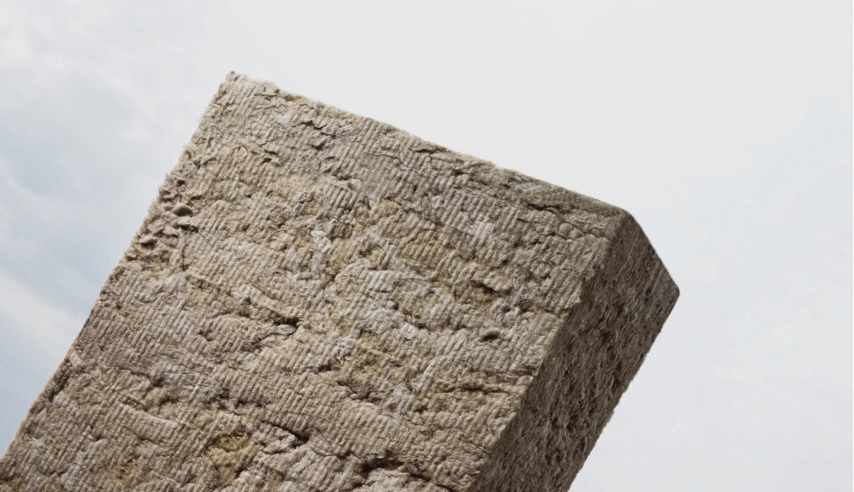
PAROC® Stonewool is a non-combustible insulation material with excellent resistance to fire and moisture. It maintains its performance over time and is a durable and reliable choice for long-lasting structures.

The next time you're planning a project, make a responsible material choice.

STONE WOOL DOES NOT BURN

HVAC Articles

Find below the latest HVAC articles and blogs.

Contact Paroc Technical Insulation