




Skip to Main Content

Specification support

High‑temperature process piping and cryogenic CO₂ storage applications

Carbon capture and CCS projects span multiple temperature zones and operating requirements. With our solutions, we can help you choose the correct specification guidance — from high temperature process insulation through to cold transport and cryogenic CO₂ storage. One pathway, two specialist solutions: PAROC for hot process piping, FOAMGLAS for cold CO₂ storage and cold piping. 

The carbon capture process

This carbon capture insulation pathway reflects typical CCS facility requirements across capture, transport, and storage stages.

Carbon capture facilities demand consistent engineering decisions across a complex value chain. The right specification guidance helps teams align on materials, application details, and installation approaches, supporting long-term performance outcome.

Carbon capture storage process, example
nr 1, icon

PAROC

Modified stack to convey flue gas to carbon capture facilities:

Exhaust flue gas is emitted by the turbo compressor at a high temperature, is then conveyed into a dedicated duct.

nr 2, icon

PAROC

Heat recovery and steam generation system:

Temperature reduction to a mid temperature, through the production of steam.

nr 3, icon

FOAMGLAS

Quenching column:

Further cooling stage by direct contact of the fumes with refrigerated water flowing in a closed circuit. 

nr 4, icon

FOAMGLAS

CO2 absorption and amine regeneration column: 

Amines capture CO2 from the exhaust flue gas, falling at the bottom of the column and then clean fumes are emitted into atmosphere. 

nr 5, icon

PAROC & FOAMGLAS

CO2 absorption and amine regeneration column:

Amines, rich in CO2, are regenerated by stripping with steam, releasing a gas composed of CO2 and water, at the top of the column. 

nr 6, icon

FOAMGLAS

CO2 compression and conditioning: 

CO2 is compressed, deoxygenated and dehydrated in order to reach a certain purity. 

nr 7, icon

FOAMGLAS

Storage tanks: 

The liquid CO2 is captured and stored before it is being transported to another hub.

Request the right specification guide based on your project scope

Hot process insulation specification guidance for carbon capture

PAROC provides specification guidance to support effective and durable industrial insulation installations — helping designers get the details right to maximize insulation performance characteristics.

What the specification guide’s include:

  • Preliminary considerations and design parameters
  • System requirements and recommended systems
  • Insulation application details and technical drawings
  • Measures to avoid/mitigate corrosion under insulation (CUI)
  • Product data sheets plus applicable norms and standards 
PAROC specification guide for industrial insulation

Cold side and cryogenic insulation specifications for CO₂ piping, tanks & equipment

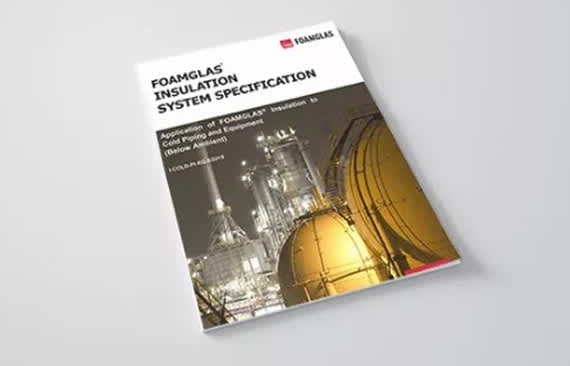
FOAMGLAS maintains insulation installation guide specifications for a wide variety of commercial and industrial systems to assist with design, installation, and maintenance — with technical services support available. 

The specification guide's cover:

  • Chilled water pipes
  • Cryogenic liquid storage tank base
  • Low temperature piping & equipment
  • LNG piping & equipment
  • Pipe hangers and supports
FOAMGLAS insulation system specification guide

Carbon Capture and Storage: Why Insulation Matters in CCS Infrastructure

Carbon capture and storage (CCS) is growing fast. It is moving from small pilot schemes to industrial-scale projects across the world. CCS plants can be thermally complex facilities and pose a real operational challenge for specifiers, EPCs, and asset owners. Getting the insulation right is key to making them work well. We discuss the net zero driven growth, the full CCS process and why insulation matters throughout the CCS Chain.

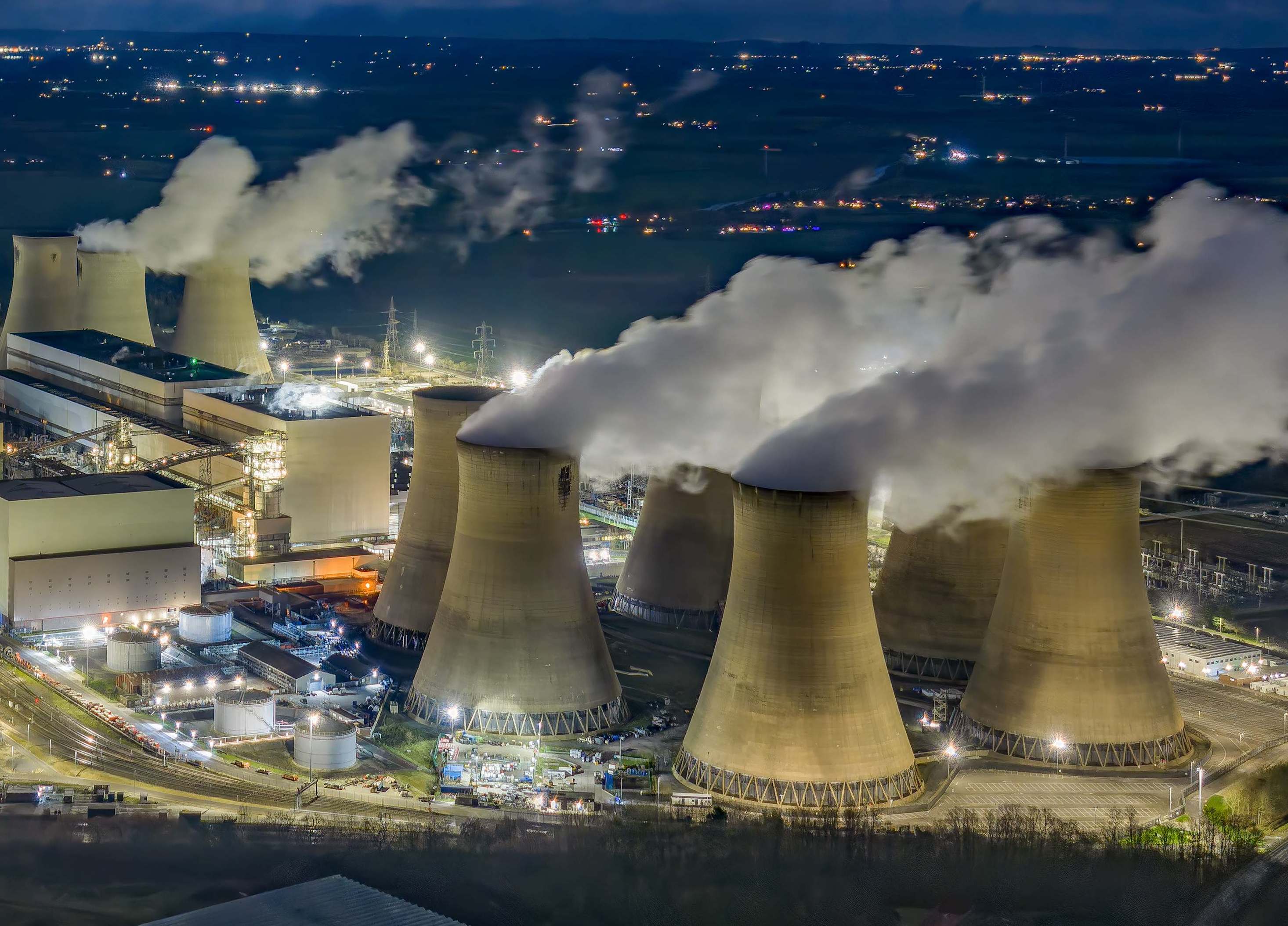
drax power station uk carbon capture

Contact Paroc Technical Insulation